

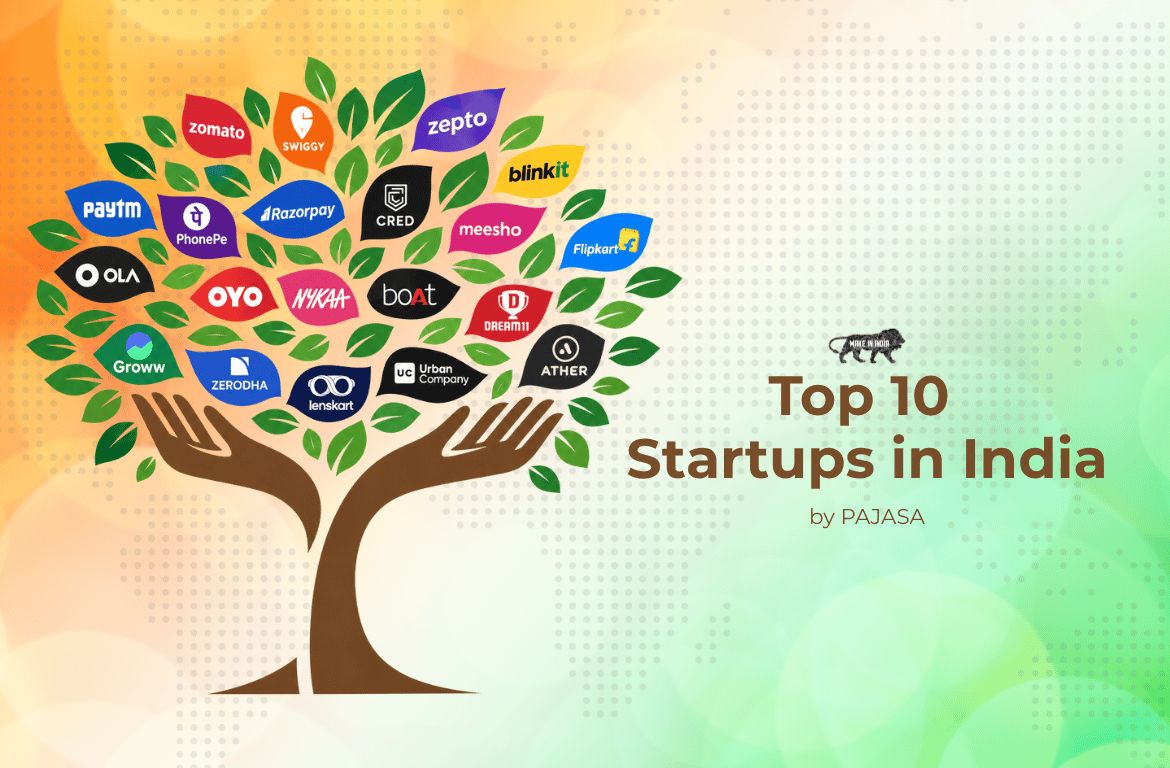
Top 10 Startups in India
Startup India – PAJASA Apartments
Top 10 Startups in India (2026): Leading Companies Transforming the Country
India has become a major destination for entrepreneurship, technology, and business innovation. From digital payments and online shopping to quick commerce and investment platforms, Indian startups are changing how people work, shop, travel, and manage their money.The country’s startup ecosystem continues to expand. According to the Government of India’s Press Information Bureau, more than 2.23 lakh startups had received DPIIT recognition by March 31, 2026, and these recognised businesses had generated over 23.36 lakh direct jobs. This growth highlights the increasing importance of entrepreneurship in India’s economy.
Whether you are an aspiring entrepreneur, a student researching business opportunities, or simply interested in India’s business landscape, understanding successful startups can offer valuable insights into innovation and growth. In this guide, we explore the top 10 startups in India in 2026, their industries, business models, and the reasons they have become influential in the Indian market. If you are a business traveller or new startup India event traveller across India, Serviced Apartments is an ideal choice for a comfortable corporate stay.
Quick Overview: Top 10 Startups in India
| No. | Startup Name | Industry | Founder(s) |
|---|---|---|---|
|
1 |
Zepto |
Quick Commerce |
Aadit Palicha, Kaivalya Vohra |
|
2 |
Groww |
Fintech |
Lalit Keshre, Harsh Jain, Neeraj Singh, Ishan Bansal |
|
3 |
Meesho |
E-commerce |
Vidit Aatrey, Sanjeev Barnwal |
|
4 |
Razorpay |
Fintech |
Harshil Mathur, Shashank Kumar |
|
5 |
Swiggy |
Food Delivery |
Sriharsha Majety, Nandan Reddy, Rahul Jaimini |
|
6 |
PhonePe |
Digital Payments |
Sameer Nigam, Rahul Chari, Burzin Engineer |
|
7 |
Lenskart |
Eyewear & Retail Technology |
Peyush Bansal, Amit Chaudhary, Neha Bansal, Sumeet Kapahi |
|
8 |
Zerodha |
Stockbroking & Fintech |
Nithin Kamath, Nikhil Kamath |
|
9 |
OYO |
Travel & Hospitality |
Ritesh Agarwal |
|
10 |
Freshworks |
SaaS & Business Software |
Girish Mathrubootham, Shan Krishnasamy |
Top 10 Startups in India by Valuation
-
Zepto – Revolutionising Quick Commerce in India
Zepto is one of the best-known companies in India’s quick-commerce industry. Having presence in top business cities in India .It focuses on delivering groceries, household essentials, and everyday products to customers through an app-based ordering experience. The company operates a network of local fulfilment centres, commonly called dark stores, that help process and deliver orders in selected service areas.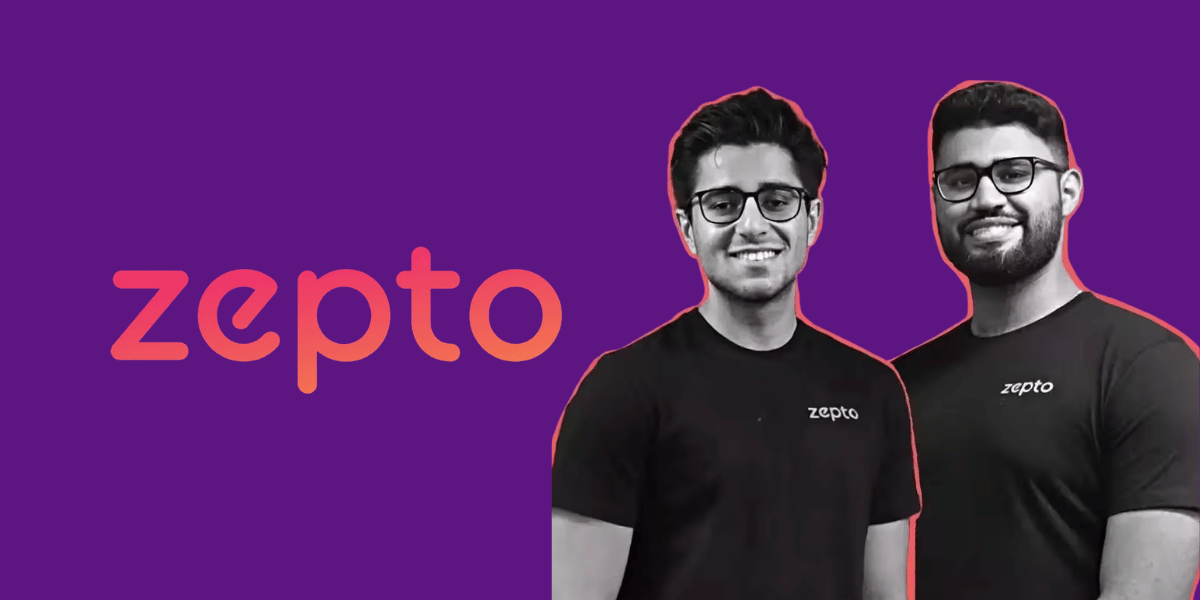
Zepto – PAJASA Apartments
-
- Zepto Industry: Quick commerce
- Zepto Founded Year: 2021
- Zepto Founder: Aadit Palicha and Kaivalya Vohra
- Zepto Net Worth: $5.9 billion (approx. ₹49,000–₹61,100 crore)
-
What makes Zepto successful?
- Fast convenience: Customers can order essential products without visiting a physical store.
- Technology-driven operations: Inventory management and delivery coordination help streamline order fulfilment.
- Urban demand: The model targets customers who value convenience and time savings.
- Digital-first shopping: Customers can browse, pay, and track orders through an app.
-
Zepto Business model
Zepto follows a quick-commerce business model, delivering groceries, fresh produce, snacks, personal care products, and household essentials to customers through its mobile app. Unlike traditional e-commerce businesses that may ship products from large warehouses, Zepto uses a network of local fulfilment centres, commonly called dark stores, to serve customers in nearby areas.
-
What Can Entrepreneurs Learn From Zepto?
Zepto demonstrates how a startup can address an everyday consumer need with a combination of technology, logistics, and operational execution. However, rapid delivery alone is not enough; sustainable margins and efficient operations are equally important.
-
-
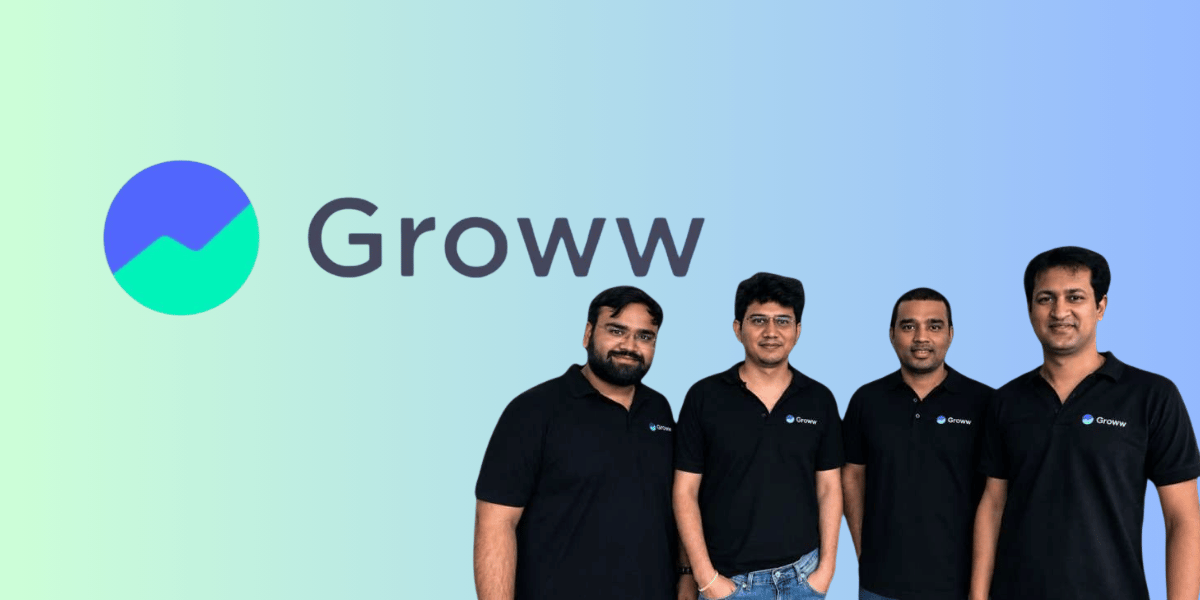
Groww – Making Investing More Accessible
Groww – PAJASA Apartments
Groww is an investment platform that aims to simplify financial products for Indian consumers. It enables eligible users to access investment services through a digital interface. Its broader appeal comes from making financial information and investment processes easier to navigate for people who prefer managing their finances online.
-
- Groww Industry: Financial technology (Fintech)
- Groww Founded Year: 2016
- Groww Founder: Lalit Keshre, Harsh Jain, Neeraj Singh, and Ishan Bansal
- Groww Net Worth: $14.4 billion USD (approx. ₹1,20,829 crore)
-
What Makes Groww Successful?
- Simple user experience: Its platform is designed to make investing more approachable.
- Digital Accessibility: Users can access investment services without relying entirely on traditional offline processes.
- Multiple Financial Products: The platform serves users interested in different types of investments.
- Technology-led Delivery: Digital tools help customers manage their investment activities.
-
Groww Business Model
Groww follows a digital-first fintech business model, earning revenue through stockbroking, trading fees, margin trading facilities, lending services, and other financial products. Its user-friendly platform helps make investing more accessible to Indian consumers while generating revenue from multiple financial services.
-
What can Entrepreneurs Learn from Groww?
Groww illustrates the value of reducing complexity. Businesses can attract customers by making a complicated service easier to understand, access, and use. In financial services, however, transparency, compliance, and customer trust are essential.
-
-
Meesho – Making Online Shopping More Affordable
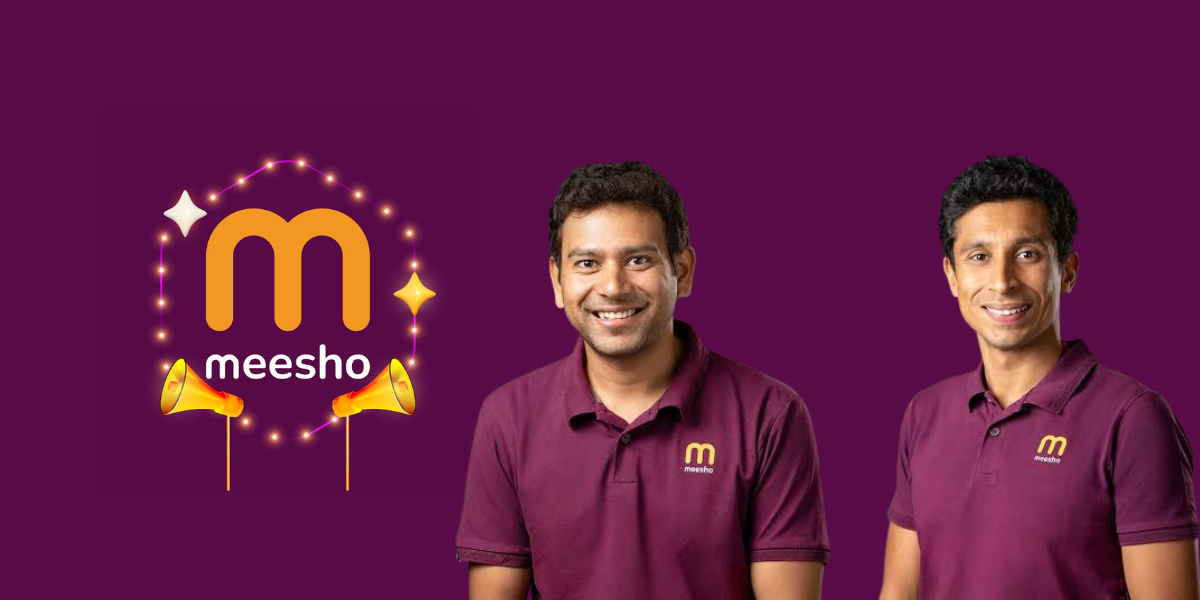
Meesho – PAJASA Apartments
Meesho has developed a strong presence in India’s value-focused e-commerce market. Its marketplace connects consumers with sellers offering products across categories such as fashion, home essentials, accessories, and everyday goods. The company focuses on affordability and expanding digital commerce access, particularly among consumers and sellers outside India’s largest metropolitan markets.
-
- Meesho Industry: E-commerce
- Meesho Founded Year : 2015
- Meesho Founder: Vidit Aatrey and Sanjeev Barnwal
- Meesho Net Worth: $8.5 billion to $8.8 billion (approx. ₹1,07,388 crore)
-
What makes Meesho successful?
- Affordable products: Competitive pricing appeals to budget-conscious customers.
- Broad seller participation: The marketplace allows businesses to reach customers online.
- Digital market access: Smaller sellers can showcase products without building a complete e-commerce platform of their own.
- Reach beyond major cities: Its model serves customers across a wide range of Indian locations.
-
Meesho Business model
Meesho Business Model: Meesho follows an e-commerce marketplace business model, connecting customers with sellers offering affordable products across categories such as fashion, home essentials, and accessories. It generates revenue through advertising, seller services, and other marketplace-related activities while helping small businesses reach customers across India.
-
What can entrepreneurs learn from Meesho?
Meesho highlights the importance of understanding an underserved audience. A business does not always need to target premium customers; affordability, distribution, and convenience can also create substantial opportunities.
-
-
Razorpay – Simplifying Digital Payments for Businesses
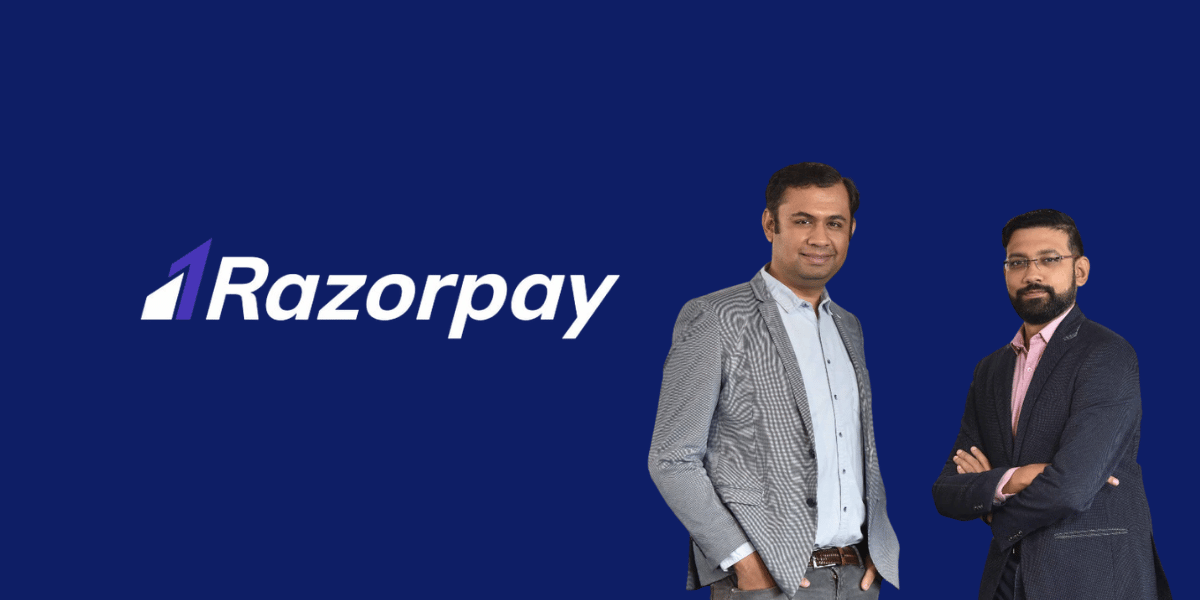
Razorpay – PAJASA Apartments
Razorpay provides digital payment infrastructure and related financial technology solutions to businesses. Its products help merchants accept payments and manage various aspects of their financial operations. As more businesses sell products and services online, payment systems have become an important part of India’s digital economy.
-
- Razorpay Industry: Financial technology
- Razorpay Founded Year: 2014
- Razorpay Founders: Harshil Mathur and Shashank Kumar
- Razorpay Net Worth: $5 billion to $7.5 billion (approx. ₹8,643 crore)
-
What makes Razorpay successful?
- Business-focused solutions: It serves online merchants, startups, and established businesses.
- Payment integration: Businesses can integrate payment capabilities into websites and applications.
- Operational efficiency: Digital payment tools can simplify transaction management and reconciliation.
- Broader financial technology: Its offering extends beyond a basic payment gateway into additional business finance services.
-
Razorpay Business model
Razorpay follows a fintech business model, helping businesses accept and manage digital payments through online payment gateways and related financial technology solutions. It generates revenue through payment processing fees, business banking tools, payment products, and other financial services, helping businesses simplify transactions and manage their finances efficiently.
-
What can entrepreneurs learn from Razorpay?
Razorpay shows that businesses can succeed by solving essential problems for other businesses. A reliable business-to-business service can become valuable when it saves customers time, reduces friction, and integrates into their daily operations.
-
-
Swiggy – Transforming Food Delivery and Convenience
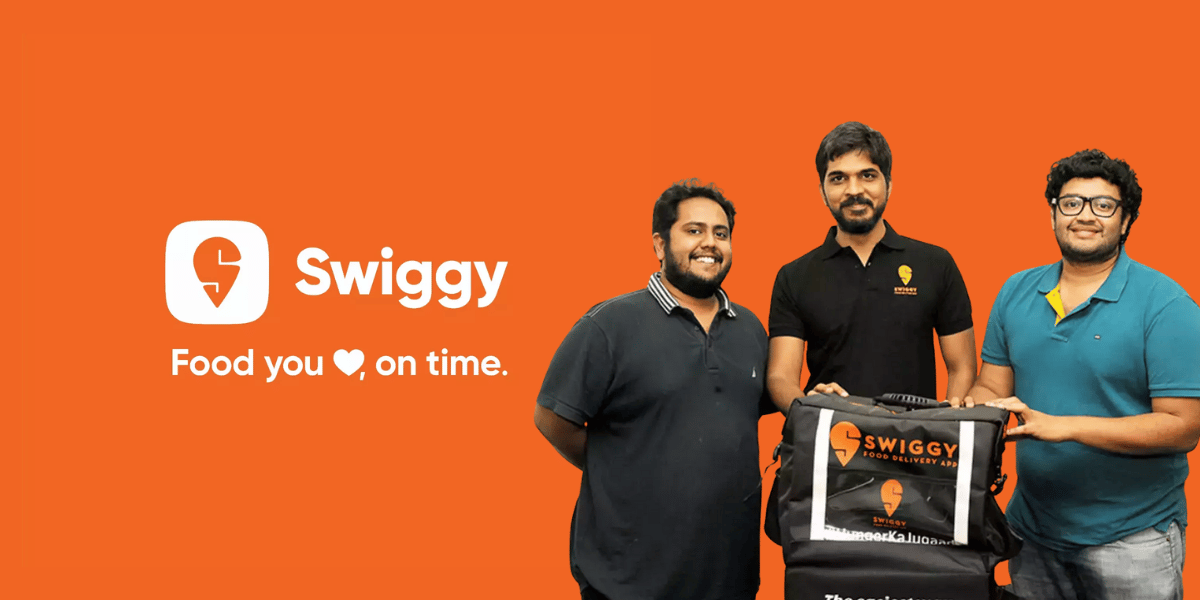
Swiggy – PAJASA Apartments
Swiggy is a prominent Indian consumer technology company known for its food delivery platform. It connects customers with restaurants and delivery partners through a digital ordering system. The company has also expanded into other convenience-focused services, including grocery and quick-commerce offerings through its Instamart business.
-
- Swiggy Industry: Food technology and convenience commerce
- Swiggy Founded Year: 2014
- Swiggy Founder: Sriharsha Majety, Nandan Reddy, and Rahul Jaimini
- Swiggy Net Worth: $7.7 billion USD (approx. ₹64,920 crore)
-
What makes Swiggy successful?
- Customer convenience: Users can order meals from participating restaurants using an app.
- Restaurant partnerships: Restaurants gain access to customers who may not discover them through walk-in traffic alone.
- Digital ordering: The platform simplifies browsing, payment, and order tracking.
- Multiple service categories: Its broader ecosystem targets different everyday convenience needs.
-
Swiggy Business model
Swiggy follows a food delivery and convenience-commerce business model, connecting customers with restaurants and delivery partners through its digital platform. It generates revenue through restaurant commissions, delivery fees, advertising, subscriptions, and quick-commerce services through Instamart, making food ordering and everyday shopping more convenient across India.
-
What can entrepreneurs learn from Swiggy?
Swiggy demonstrates how a platform can connect multiple groups—customers, restaurants, and delivery partners. Strong execution requires balancing customer experience with partner economics and the costs of operating a large delivery network.
-
-
PhonePe – Expanding Digital Payments Across India
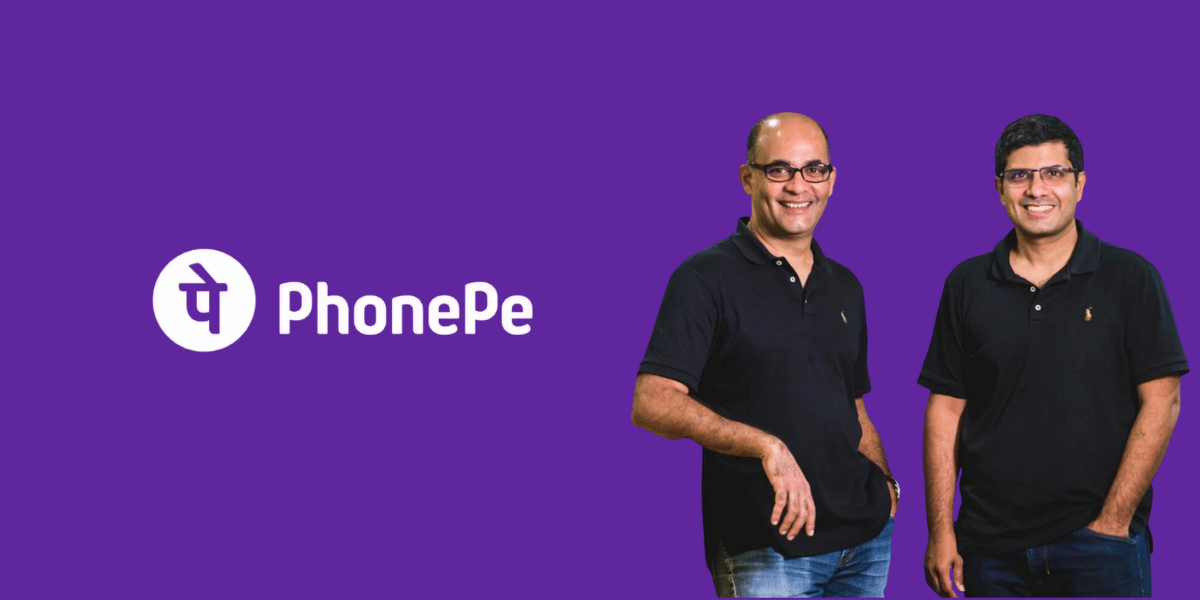
PhonePe – PAJASA Apartments
PhonePe is a widely used digital payments platform in India. It supports UPI-based transactions and offers additional financial and digital services through its application. The growth of mobile payments has helped consumers and businesses adopt faster, more convenient ways to transfer money and complete transactions. PhonePe serves one among the major percentage of job openings for freshers and experienced proffesionals arround top IT Parks in India.
-
- PhonePe Industry: Fintech
- PhonePe Founded Year: 2015
- PhonePe Founder: Sameer Nigam, with co-founders Rahul Chari and Burzin Engineer
- PhonePe Net Worth: $14.5 billion to $15 billion (approx. ₹7,920 crore)
-
What makes PhonePe successful?
- Convenient transactions: Users can make eligible digital payments through their mobile devices.
- Wide use cases: Its payment ecosystem supports person-to-person and merchant transactions.
- Merchant adoption: Digital payment acceptance is useful for businesses of different sizes.
- Service expansion: The company has expanded into additional financial and digital services.
-
PhonePe Business model
PhonePe follows a fintech business model, offering UPI payments, digital transactions, and financial services through its mobile application. It generates revenue through merchant services, insurance and lending distribution, advertising, and other financial products. Its digital platform helps individuals and businesses make convenient payments and access financial services across India.
-
What can entrepreneurs learn from PhonePe?
PhonePe highlights the importance of building trust and usability around a frequently performed activity. Services that become part of customers’ everyday routines can develop strong engagement, provided they remain secure and reliable.
-
-
Lenskart – Modernising the Eyewear Industry

Lenskart – PAJASA Apartments
Lenskart is an Indian eyewear business that combines online shopping with physical retail experiences. Customers can explore eyewear products, compare styles, and access optical services through its retail ecosystem. Its model addresses the needs of customers looking for both convenient online discovery and support with fit, prescription requirements, and product selection.
-
- Lenskart Industry: Retail technology and eyewear
- Lenskart Founded: 2010
- Lenskart Founder: Peyush Bansal, with co-founders Amit Chaudhary and Sumeet Kapahi
- Lenskart Net Worth: US$13+ billion(approx. ₹1,11,777 crore)
-
What makes Lenskart successful?
- Omnichannel retail: It combines digital shopping with physical stores.
- Product variety: Customers can explore different eyewear styles and price points.
- Brand development: Its retail presence supports product discovery and customer recognition.
- Technology integration: Digital tools help improve product selection and the shopping experience.
-
Lenskart Business model
Lenskart follows an omnichannel retail business model, combining online shopping with physical stores to sell eyeglasses, sunglasses, contact lenses, and other eyewear products. It generates revenue primarily through product sales, private-label brands, and optical services, using technology and an extensive retail network to provide customers with convenient and affordable eyewear across India.
-
What can entrepreneurs learn from Lenskart?
Lenskart shows how a traditional product category can be modernised through technology, branding, and multiple sales channels. Online and offline experiences can complement one another when customers need both convenience and personal assistance.
-
-
Zerodha – Changing the Online Broking Experience

Zerodha – PAJASA Apartments
Zerodha is an Indian financial services company known for its technology-led stockbroking platform. It gained recognition by focusing on a straightforward trading experience and a transparent pricing approach. The company also provides tools and educational resources that help users understand financial markets and manage their investing activities.
-
- Zerodha Industry: Financial technology
- Zerodha Founded Year: 2010
- Zerodha Founder: Nithin Kamath and Nikhil Kamath
- Zerodha Net Worth: $7.7 billion to $8 billion (approx. ₹64,800 crore)
-
What makes Zerodha successful?
- Technology-led brokerage: Customers can access market-related services through digital platforms.
- Transparent pricing approach: Its pricing structure has been a key part of its market positioning.
- Investor education: Educational resources help users learn about investing and trading.
- Product usability: Digital tools simplify access to brokerage services.
-
Zerodha Business model
Zerodha follows a discount stockbroking business model, offering online trading and investment services through its digital platforms. It generates revenue primarily through brokerage fees on eligible trades, particularly intraday and derivatives trading, along with other applicable financial services. Its low-cost pricing, technology-driven operations, and investor education help make investing more accessible across India.
-
What can entrepreneurs learn from Zerodha?
Zerodha demonstrates that a business can differentiate itself by challenging conventional pricing structures and improving the user experience. Clear communication and efficient operations can be powerful competitive advantages.
-
-
OYO – Making Accommodation More Accessible

OYO – PAJASA Apartments
OYO is a hospitality technology company that connects travellers with accommodation options through its platform and hotel partnerships. The company developed its business around improving the discovery and booking of accommodation, with an emphasis on standardised experiences across participating properties.
-
- OYO Industry: Travel technology and hospitality
- OYO Founded Year: 2013
- OYO Founder: Ritesh Agarwal
- OYO Net Worth: $8.8–$9 billion USD (approx. ₹74,000 crore)
-
What makes OYO successful?
- Digital discovery: Travellers can search for accommodation online.
- Property partnerships: Hotel operators can use the platform to reach potential guests.
- Multiple travel needs: Its accommodation offering serves different trip purposes and budgets.
- Technology-enabled distribution: Digital booking tools help connect properties with travellers.
-
OYO Business model
OYO follows a hospitality and travel technology business model, connecting travellers with hotels and accommodation providers through its online platform. It generates revenue through hotel bookings, commissions, property management services, and franchise-related fees. By using technology to improve booking convenience, property visibility, and guest experiences, OYO helps accommodation partners reach more customers across India and international markets.
-
What can entrepreneurs learn from OYO?
OYO highlights the opportunity to improve a fragmented industry through technology and partnerships. It also demonstrates why quality control, customer satisfaction, partner relationships, and consistent service delivery matter as businesses scale.
-
-
Freshworks – Building Software for Modern Businesses
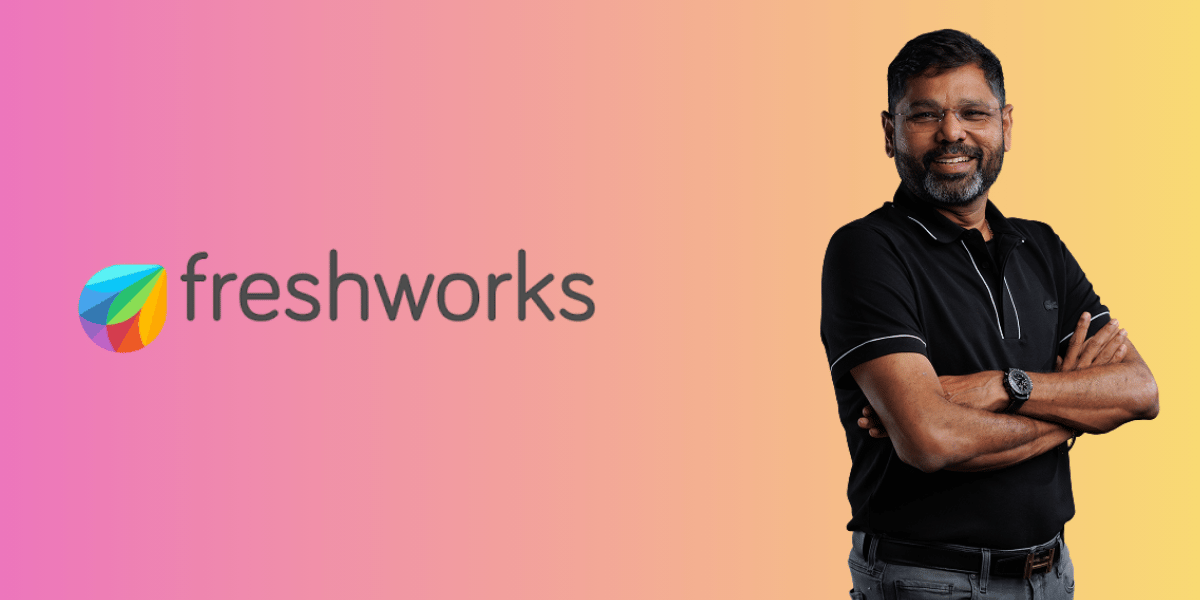
Freshworks – PAJASA Apartments
Freshworks is a software company founded in India that develops customer-service and business software. Its products help organisations manage customer interactions, support requests, and related workflows. Unlike consumer-facing businesses, SaaS companies often sell recurring software subscriptions to organisations that need reliable digital tools.
-
- Freshworks Industry: Software as a Service (SaaS)
- Freshworks Founded Year: 2010
- Freshworks Founder: Girish Mathrubootham and Shan Krishnasamy
- Freshworks Net Worth: $3.62 billion to $3.63 billion (approx. ₹332.55 billion to ₹345.59 billion)
-
What makes Freshworks successful?
- Business problem-solving: Its products address customer support and operational needs.
- Cloud-based software: Customers can access its services without managing all the underlying infrastructure themselves.
- Subscription-based products: Recurring contracts can support more predictable revenue.
- Scalable delivery: Software can serve customers across different markets and business sizes.
-
Freshworks Business model
Freshworks follows a Software-as-a-Service (SaaS) business model, providing cloud-based customer service, sales, and business software to companies worldwide. It generates revenue primarily through recurring software subscriptions and related services, helping businesses automate workflows, improve customer support, and manage customer relationships efficiently.
-
What can entrepreneurs learn from Freshworks?
Freshworks demonstrates the potential of building a specialised software product for a clearly defined business problem. Strong product quality, customer retention, and the ability to serve international markets can help software companies scale.
-
Conclusion
India’s startup ecosystem demonstrates how technology, customer understanding, and entrepreneurial ambition can transform established industries. From quick commerce and digital payments to eyewear retail and business software, these companies offer different examples of how businesses can identify opportunities and build scalable services.
The biggest lesson from the top 10 startups in India is that sustainable success requires more than a good idea. Companies must understand their customers, deliver real value, build reliable operations, and develop a business model that can support long-term growth. For aspiring entrepreneurs, studying these companies can provide inspiration—but the most useful lesson is to identify a specific problem, validate the demand, and create a solution that customers genuinely value. Whether you are a business traveller or a business explorer to differenct cities, PAJASA Service Apartments provides a major presence across top business cities in India, icluding Mumbai, Pune, Delhi, Hyderabad, Bangalore, Chennai and more. Get your service apartment Now with PAJASA to experience a home like benefits during your corporate stay.