


Senior Citizen Homes in India
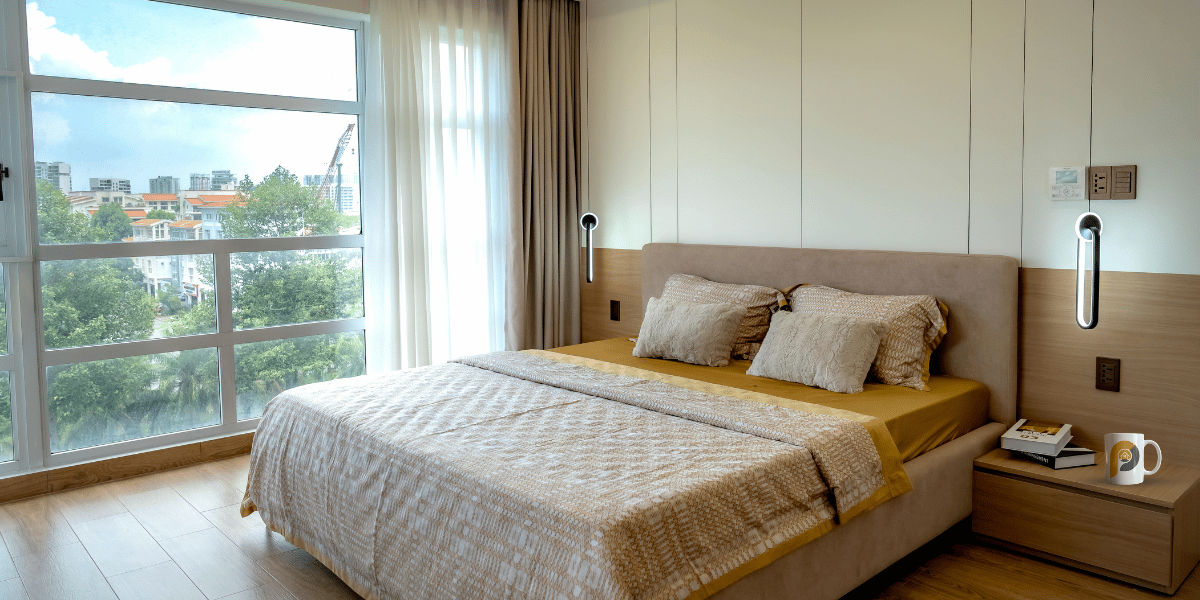
Senior Citizen Homes in India: A Complete Guide to Safe, Comfortable and Independent Senior Living
India is ageing quickly, and the demand for senior citizen homes is growing with it. The UNFPA’s India Ageing Report 2023 counted about 149 million people aged 60 and above in 2022, roughly 10.5% of the population, and projects around 347 million, or 20.8%, by 2050. Under the Maintenance and Welfare of Parents and Senior Citizens Act, 2007, anyone aged 60 or above is a senior citizen.
As smaller families and working children living in other cities become common, more families are looking at homes for senior citizens that offer safety, healthcare and companionship. Options now include independent-living apartments, service apartments, assisted-living facilities, continuing care retirement communities and government or charitable old age homes acros. This guide explains how each type works, what to check before choosing senior citizen homes in India, and how to compare facilities on accessibility, meals, housekeeping, medical support and community activities.
What Are Senior Citizen Homes?
The Senior citizens homes are residential facilities designed to provide older adults with comfortable accommodation, safety, social interaction and varying levels of assistance with everyday activities near top hospitals in India. Depending on the facility, residents may have access to private apartments, common dining areas, housekeeping, recreational activities, healthcare coordination and emergency assistance. In India, these homes generally fall into three broad categories:
- Independent living communities: Designed for active seniors who can manage their daily activities but prefer a secure residential environment with like-minded neighbours.
- Assisted living facilities: Suitable for older adults who need help with activities such as bathing, dressing, mobility or medication management.
- Specialised care homes: Designed for individuals requiring more intensive support, including dementia care, rehabilitation or nursing assistance.
The right choice depends on a person’s health, lifestyle, financial situation and preferred level of independence.
Why Are More Families Considering Homes for Senior Citizens in India?
Family structures, work commitments and living arrangements have changed considerably over the years. Children may relocate to different cities or countries for employment, while older parents prefer to remain in familiar surroundings or move into a community that better supports their lifestyle. According to the UNFPA India Ageing Report 2023, India’s population aged 60 and above is projected to exceed 20% of the total population by 2050. This growing demographic makes accessible housing, healthcare and social support increasingly relevant.
Some common reasons families explore senior living homes include:
- Access to healthcare: Facilities with medical assistance, regular health monitoring and emergency response arrangements can provide additional reassurance. Here’s a full guide to choose Best Accommodation for Medical Tourists in India.
- A safer living environment: Features such as lifts, handrails, wheelchair access and emergency call systems help reduce everyday risks.
- Social engagement: Group activities, community dining, fitness sessions and cultural programmes can help older adults maintain social connections.
- Reduced household responsibilities: Housekeeping, maintenance and meal services can make everyday living easier.
- Greater independence: Seniors can maintain their personal routines while receiving assistance when required.
A senior living arrangement should support an individual’s preferences rather than simply reflect the convenience of family members.
What Facilities Should You Look for in a Senior Citizens Home?
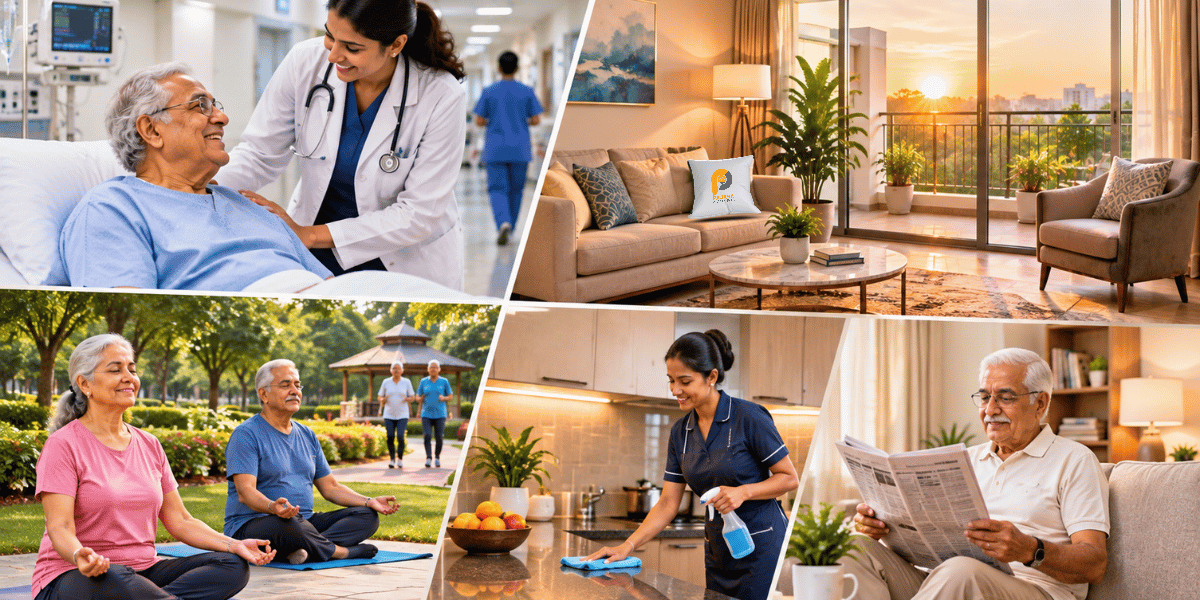
A good old age home should offer more than attractive apartments and recreational facilities. Its infrastructure, staff, healthcare arrangements and emergency procedures should match the needs of its residents.
Here are the essential facilities worth evaluating.
-
Medical Care and Emergency Assistance
Healthcare arrangements should be among the first things to investigate. Ask whether the facility has trained medical personnel, nursing support, doctor visits, medication assistance and an established hospital referral network. For seniors with chronic conditions or mobility limitations, confirm how emergencies are handled, whether an ambulance can be arranged and how family members are informed. A old age home with medical care should clearly explain the scope of its services. Basic first aid and occasional doctor visits are not equivalent to round-the-clock nursing or hospital-level treatment.
-
Accessible and Age-Friendly Infrastructure
A senior citizen home should make everyday movement easier and safer, so check the physical environment closely when you visit. Look for wheelchair-accessible entrances and ramps, and lifts with accessible controls. Corridors and staircases should have handrails, and the flooring should be non-slip. Pathways and common areas should be well lit. Bathrooms should be accessible, with grab bars. The home should also have emergency alarms or an assistance system, so that help can be reached quickly. These features matter most for people with balance difficulties or limited mobility, who are at higher risk of falls and have the most to gain from a layout that removes obstacles.
-
Nutritious Meals and Housekeeping
A good senior citizen home provides nutritious, balanced meals that suit medical diets and personal preferences, prepared in a hygienic kitchen. It also keeps rooms, bathrooms and common areas clean, with regular housekeeping and laundry, to reduce the risk of infection and falls. Visiting at mealtime is the easiest way to judge both.
-
Recreation and Community Activities
Staying active and connected matters as much to older people as good food and safe surroundings. A good senior citizen home organises regular activities such as morning walks, yoga, music, indoor games, festival celebrations and group outings, so residents have things to look forward to. Shared spaces like a garden, library or common lounge make it easy to meet people and make friends, which helps ease loneliness. When you visit, ask to see the activity calendar and notice whether residents are actually taking part or sitting alone in their rooms.
How Can Senior Citizens Plan a Safe Medical Trip in India?
Medical tourism is another reason many older people travel to Indian cities for care, whether for a planned surgery, a specialist consultation or a longer course of treatment and recovery. For senior citizens, the trip works best when it is planned around comfort and safety as much as the hospital itself. Families should check the hospital’s credentials, the doctor’s experience with older patients, the full cost of treatment and follow-up, and how far the stay is from the hospital. Seniors also need a place to rest between appointments, ideally with step-free access, a lift, a kitchen or home-style meals and a caregiver or family member nearby. Furnished serviced apartments are often a practical choice for these longer stays, as they cost less than a hotel over several weeks and give patients more space and privacy. If you book one, confirm accessibility, emergency support and travel time to the hospital before you arrive. There are several Medical tourisms in India, that are specialized in managing and relocating senior citizens comuting for medical purposes.
How Much Do Senior Citizen Homes Cost in India?
The cost of senior living accommodation varies considerably depending on the city, property type, services, healthcare requirements and payment structure. There is no single standard price applicable to all senior citizen homes in India. The following comparison explains the main cost components to investigate.
For senior citizen homes for rent, also clarify the security deposit, notice period, renewal terms and whether the monthly rental includes essential services. The cheapest option may not always be the most suitable. Compare the actual services provided against the resident’s current and anticipated care requirements.
| Accommodation Type | Main Cost Considerations |
|---|---|
|
Service Apartments |
Purchase price or monthly rent, maintenance and utilities |
|
Retirement communities |
Accommodation, community facilities, maintenance and optional services |
|
Assisted living homes |
Accommodation, personal assistance, meals and care services |
|
Medical or nursing care facilities |
Nursing support, medical supervision, medication and specialised care |
How to Choose the Right Senior Citizen Home in India
Selecting a residential facility requires more than comparing photographs, brochures or advertised amenities. A personal visit and a detailed discussion with the management can reveal important information.
Follow these steps before making a decision.
-
Step 1: Assess the resident’s needs
Understand whether the individual can manage everyday activities independently or requires help with mobility, medication, bathing or meals. Consider existing medical conditions and possible future care requirements.
-
Step 2: Shortlist suitable locations
Consider proximity to family members, hospitals, pharmacies and public transport. A facility in a familiar neighbourhood may make family visits and social connections easier.
-
Step 3: Visit the property personally
Inspect the apartments, bathrooms, dining areas, lifts, emergency exits and common facilities. Observe cleanliness and speak with existing residents if possible.
-
Step 4: Evaluate the healthcare arrangements
Ask about staff qualifications, nurse availability, doctor consultations, hospital partnerships and emergency response procedures. Request clear information about services that are included and those charged separately.
-
Step 5: Review the agreement
Read the admission agreement, payment terms, deposit conditions, medical responsibilities and exit policy carefully. Seek independent legal advice before committing to a property purchase or long-term arrangement.
-
Step 6: Involve the senior citizen in the decision
The person who will live there should have a meaningful say in the selection. Comfort, privacy, personal preferences and emotional well-being matter just as much as facilities.
Senior Citizen Living Options in Major Indian Cities
Senior living requirements differ depending on location, access to healthcare, family proximity and lifestyle preferences. Here are some factors to consider when exploring homes for senior citizens in major Indian cities.
- Mumbai: Consider accessibility, proximity to multispecialty hospitals in Mumbai, traffic conditions and neighbourhood connectivity. Areas with convenient access to family members can be particularly useful.
- Pune: Look for residential communities with accessible infrastructure, green surroundings and healthcare facilities within a reasonable distance.
- Delhi: Evaluate air quality, hospital access, transportation and the availability of reliable emergency services.
- Bangalore: Consider neighbourhood connectivity, nearby hospitals and facilities that support an active community lifestyle.
- Hyderabad: Examine access to healthcare, residential security and everyday conveniences.
- Chennai: Look for accessible apartments, medical support and reliable transport arrangements.
- Goa: Consider peaceful residential surroundings, healthcare accessibility and the distance from family and essential services.
What Government Guidelines and Support Are Available for Senior Citizens in India?
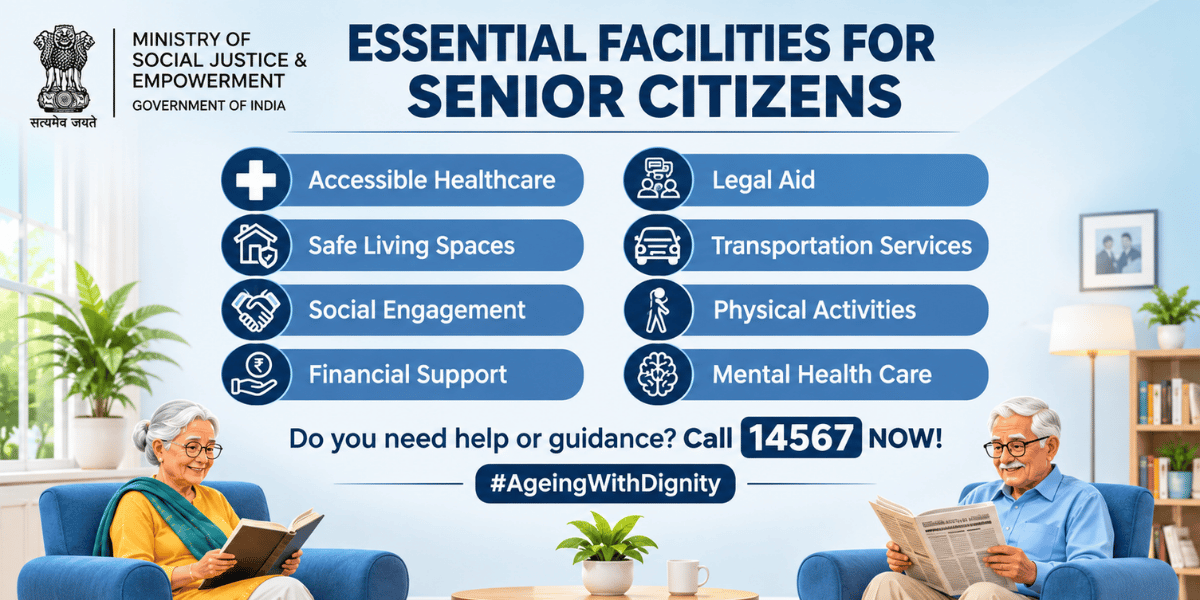
India has introduced several initiatives aimed at improving the welfare, healthcare and protection of older adults. The Maintenance and Welfare of Parents and Senior Citizens Act, 2007 provides a legal framework concerning the maintenance and welfare of parents and senior citizens. It also includes provisions relating to old-age homes and medical facilities. The Ministry of Social Justice and Empowerment has also published minimum standards for senior citizen homes, addressing areas such as accessibility, infrastructure, management and resident welfare.
Additionally, the National Programme for Health Care (NPHCE), implemented by the Ministry of Health and Family Welfare, aims to provide preventive, curative and rehabilitative healthcare services for older adults through government healthcare facilities. Families should also be aware of the Model Guidelines for the Development and Regulation of Retirement Homes circulated by the Central Government in July 2026. These include recommendations concerning accessibility, emergency facilities, ambulance services and resident safety. Since implementation and regulatory requirements can differ between states, verify the applicable local rules and the facility’s compliance before making a commitment.
Can Serviced Apartments Be an Alternative for Temporary Senior Stays?
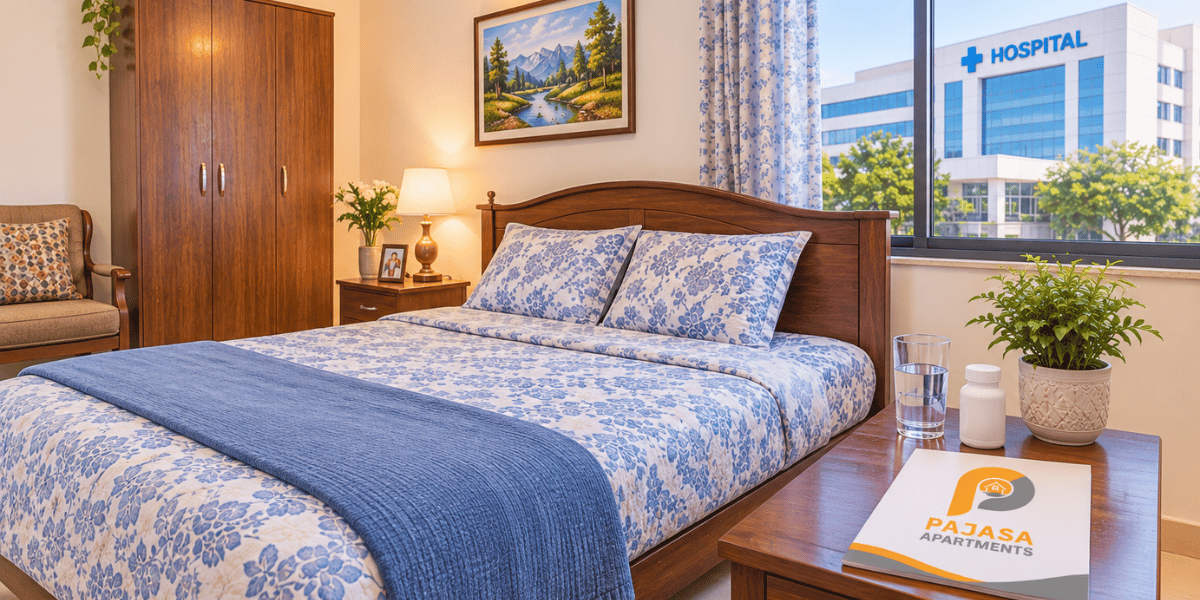
Not every older adult looking for accommodation requires a permanent retirement community or assisted living facility. Some seniors need a comfortable place to stay temporarily while visiting family, attending medical appointments or supporting relatives who have relocated to another city. In such situations, a furnished serviced apartments may be worth considering, provided the resident can manage independently or has appropriate personal assistance.
PAJASA Apartments provides furnished serviced apartments in Mumbai, Pune, Delhi, Bangalore, Hyderabad and Chennai. Depending on the property, accommodation may include living spaces, bedrooms, kitchen facilities, Wi-Fi and housekeeping. For seniors planning a temporary stay near family members, these arrangements can offer an alternative to conventional hotel accommodation.
However, serviced apartments are not substitutes for senior citizen homes or assisted living facilities. They do not automatically provide specialised care, nursing supervision or emergency medical support. Families should confirm accessibility, lift availability, bathroom safety and other individual requirements directly with the accommodation provider.
Conclusion: Finding a Senior Citizen Home That Feels Like Home
The right senior citizen home should offer more than accommodation. It should provide a safe environment, suitable healthcare support, opportunities for social interaction and the freedom to maintain personal independence. Whether you are exploring independent retirement apartments, assisted living communities or specialised care facilities, take time to compare the available options. Visit shortlisted properties, understand their services and involve the senior citizen in every major decision.
For families who need temporary furnished accommodation while visiting loved ones in another city, PAJASA Apartments can also be explored as an accommodation option. Contact the team to enquire about available serviced apartments and property arrangements. Explore furnished accommodation with PAJASA Service Apartments for your next extended stay in India.